Westchester County · preschool & elementary
Executive functioning and learning support for young children.
Every child’s brain has a manager, and sometimes the manager is still learning the job. Grow Space helps preschool and elementary children build the skills that run their day, through play, creativity, individualized support, and a whole lot of patience.
Start here
But what is executive functioning, anyway?
Getting dressed in the morning. Remembering a backpack. Managing disappointment, making friends, finishing homework. It influences nearly every part of a child’s day.
When I explain it to children, I like to say that their brain has a manager, and that every part of their brain has a different job. Some parts help them remember. Some help them notice feelings. Some help them move their body. Some help them pay attention.
The manager is the one who helps everybody work together. Our managers help us remember important things, make plans, stay flexible when something unexpected happens, regulate big feelings, and decide what we need to do next.
have a look at the jobs —
tap any leaf below
tap a leaf to meet its job
Sometimes, the manager is still learning how to be a manager.
like reading, or riding a bike, these skills grow with practice
How we help
Four things every session is built on.
At Grow Space we help children strengthen these skills through play, creativity, individualized support, and evidence-based practices.
Play
Games that quietly ask a child to plan, wait, switch, and try again, without any of it feeling like work.
Creativity
Art, building, music and storytelling let children show what they know before they have the words for it.
Individualized support
Every agenda is built for one child. Their interests, their habits, and goals they helped choose.
Evidence based practices
Grounded in school psychology, emotionally responsive teaching, and research on how these skills actually develop.
On our wall
Turning “I can’t” into “not yet”.
There is a growth mindset chart hanging beside the reading nook, and children read it out loud far more often than you would expect. Tap a card to turn it over.
the same thought, said a kinder way
Who you will meet
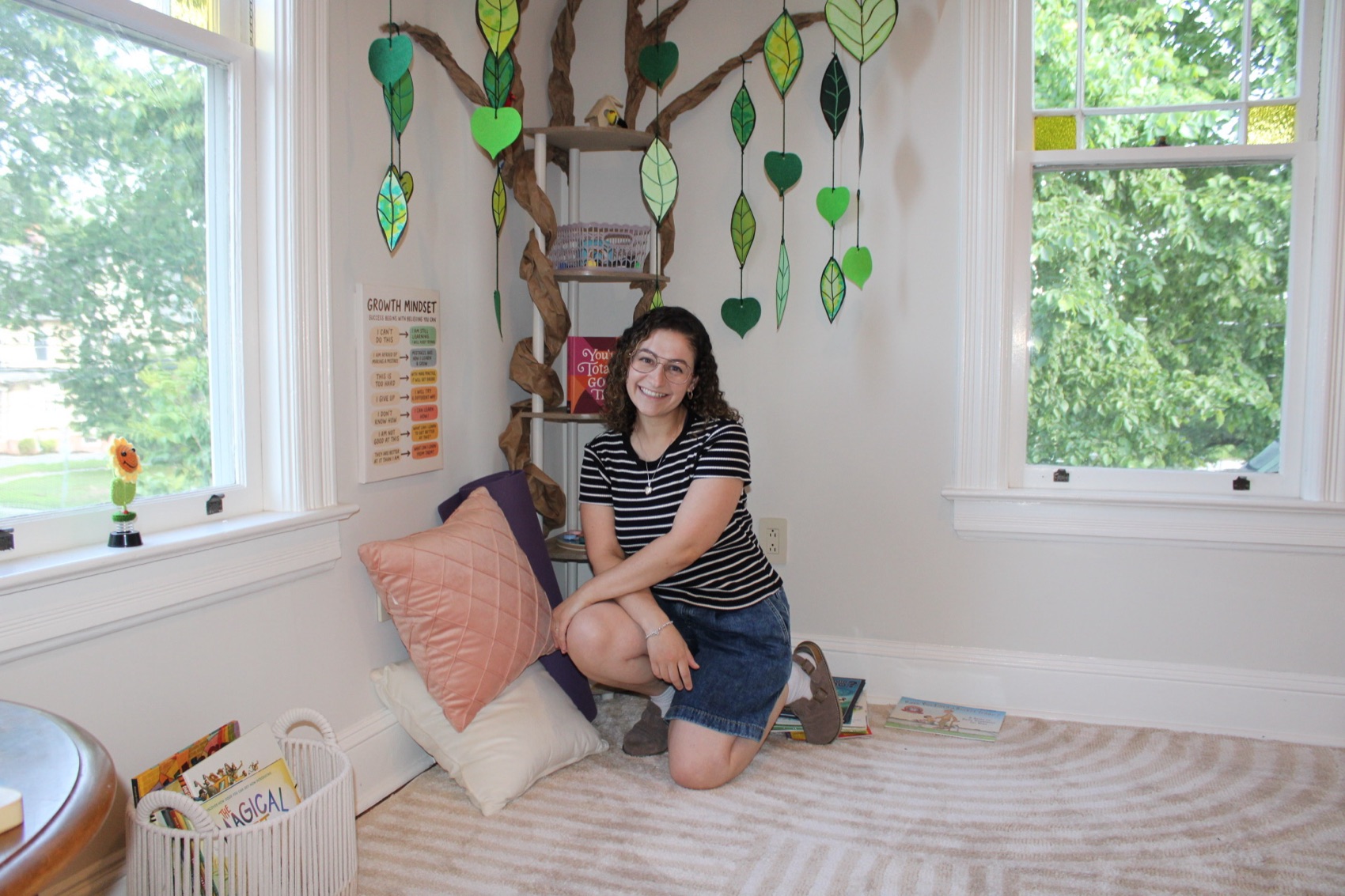
Hi! I’m Linda.
I’ve always been fascinated by the unique ways children make sense of the world. From directing shows at summer camp as a teenager to becoming a classroom teacher, executive functioning coach, and school psychology graduate student, every step of my journey has deepened my belief that meaningful learning begins with warmth, respect, and understanding.
Want to learn more? I get it, I’m a mom too.
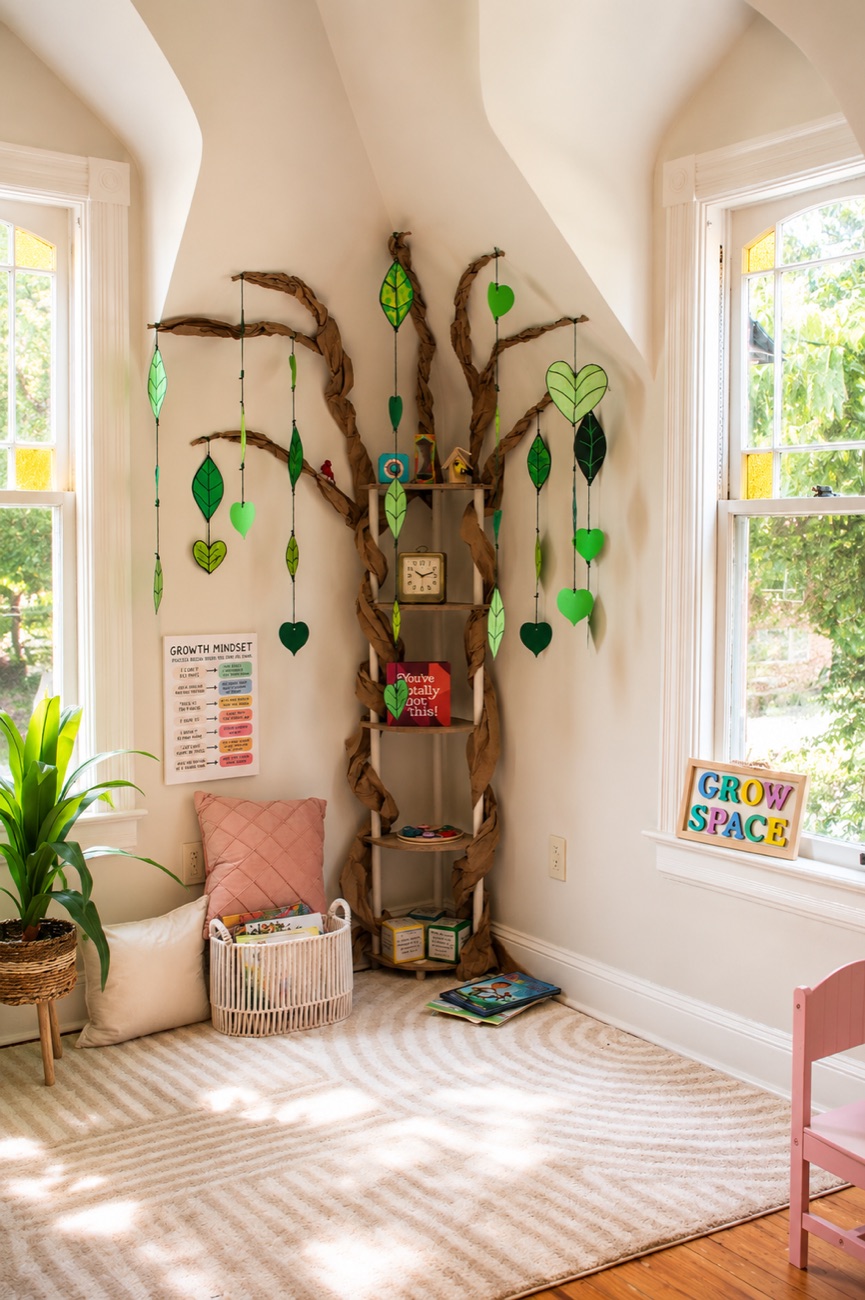
Our space
A room that starts helping before the session does.
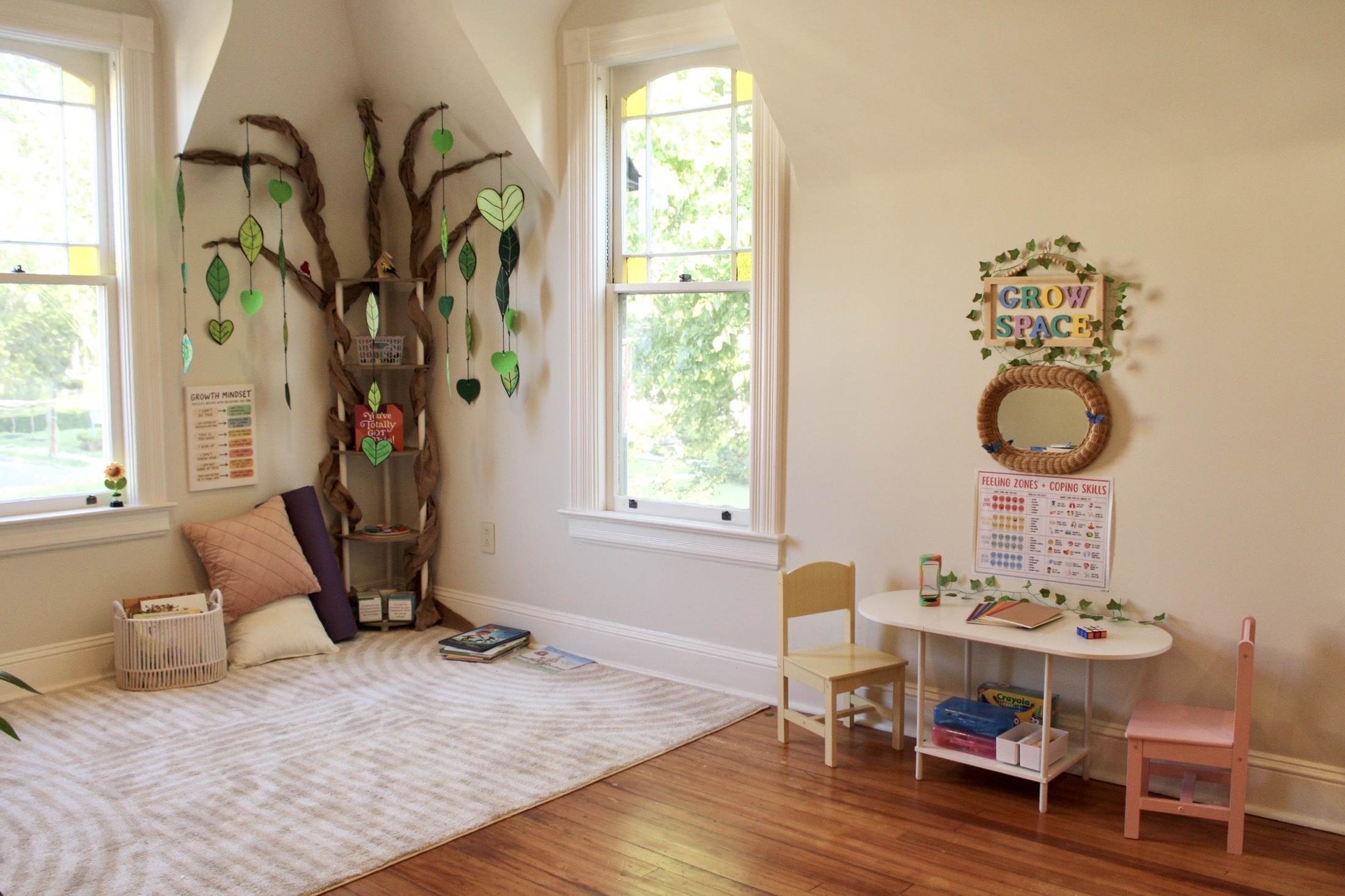
Working in a Reggio Emilia inspired preschool taught me that the environment itself is a powerful teacher. So this room was designed for children, and for their parents, to foster curiosity, creativity, emotional safety, and growth.
What it adds up to
When children feel seen, accepted, and supported, they begin to understand themselves and their “manager” a bit better.
From that foundation, they become empowered to explore, take risks, and embrace new challenges with greater self-awareness and newfound confidence.
Let’s talk about your child.
Every child is different, so I offer a complimentary consultation before beginning services. It is a chance to get to know one another, talk through your concerns, and decide together whether Grow Space is the right fit for your family.
About
Hi! I’m Linda.
I’ve always been fascinated by the unique ways children make sense of the world. Every step of my journey has deepened my belief that meaningful learning begins with warmth, respect, and understanding.
I get it, I’m a mom too.
The short version
From camp shows to school psychology.
From directing shows at summer camp as a teenager to becoming a classroom teacher, executive functioning coach, and school psychology graduate student, the through line has always been the same: children do their best learning when somebody takes the time to understand them first.
I’ve always loved working with children. The oldest of five, I began babysitting and working at summer camp before I was a teenager. While I loved the energy of directing camp shows, my favorite moments were connecting one-on-one with kids who needed a little extra understanding and encouragement.
- Barnard CollegeEducation through the lens of psychology, culture, and connection.
- Bank Street CollegeChildren learn best through play, curiosity, and meaningful experiences.
- Fordham UniversityGraduate training in school psychology, and evidence-based practice.
The longer version
How the pieces came together.
Nothing here was a straight line. Each stop taught me something that ended up built into this room.
before I was a teenager
The oldest of five
I began babysitting and working at summer camp before I was a teenager. I loved the energy of directing camp shows, but my favorite moments were the one-on-one ones, with kids who needed a little extra understanding and encouragement.
Barnard
Education, seen through psychology
Barnard taught me to see education through the lens of psychology, culture, and connection. It gave me the vocabulary for something I had noticed for years but could not yet name.
Bank Street
Children learn best through play
Bank Street showed me that children learn best through play, curiosity, and meaningful experiences. Not as a nice extra, but as the actual mechanism.
a Reggio Emilia inspired preschool
The environment is a teacher
Working in a Reggio Emilia inspired preschool helped me learn that the environment itself is a powerful teacher. Years later, that is the single idea this room is built on.
2020
A children’s book about big feelings
When the pandemic hit, I wrote a children’s book to help kids understand the intense emotions we were all experiencing during such an uncertain time.
fall 2020, Avenues
A kindergarten classroom
As a kindergarten teacher I witnessed the profound impact that grief, anxiety, and emotional well-being had on my students’ ability to learn. That experience ultimately inspired me to pursue graduate training in school psychology.
Fordham
Where psychology meets the classroom
At Fordham I’ve continued exploring the intersection of psychology, education, and evidence-based practice, and how the research actually lands on a Tuesday morning with a real child.
during this same season of life
I became a mother
To put it lightly, pregnancy, childbirth, and watching my baby grow into a child completely rocked my world. It deepened my appreciation for the relationships among children, parents, educators, and mental health professionals, and it is when I realized I wanted to create the kind of learning environment I had been imagining for years.
and then, Grow Space
A room built on purpose
A physical space intentionally designed for children, and their parents, where the environment itself fosters curiosity, creativity, emotional safety, and growth.
In the room
What I actually bring to a session.
Drawing on my experience as a teacher, executive functioning coach, and school psychology graduate student, I combine evidence-based practices with games, movement, books, music, and creative play.
The goal is to help children build executive functioning skills, strengthen emotional regulation, and develop confidence as learners. I also love collaborating with families and providing helpful resources along the way.
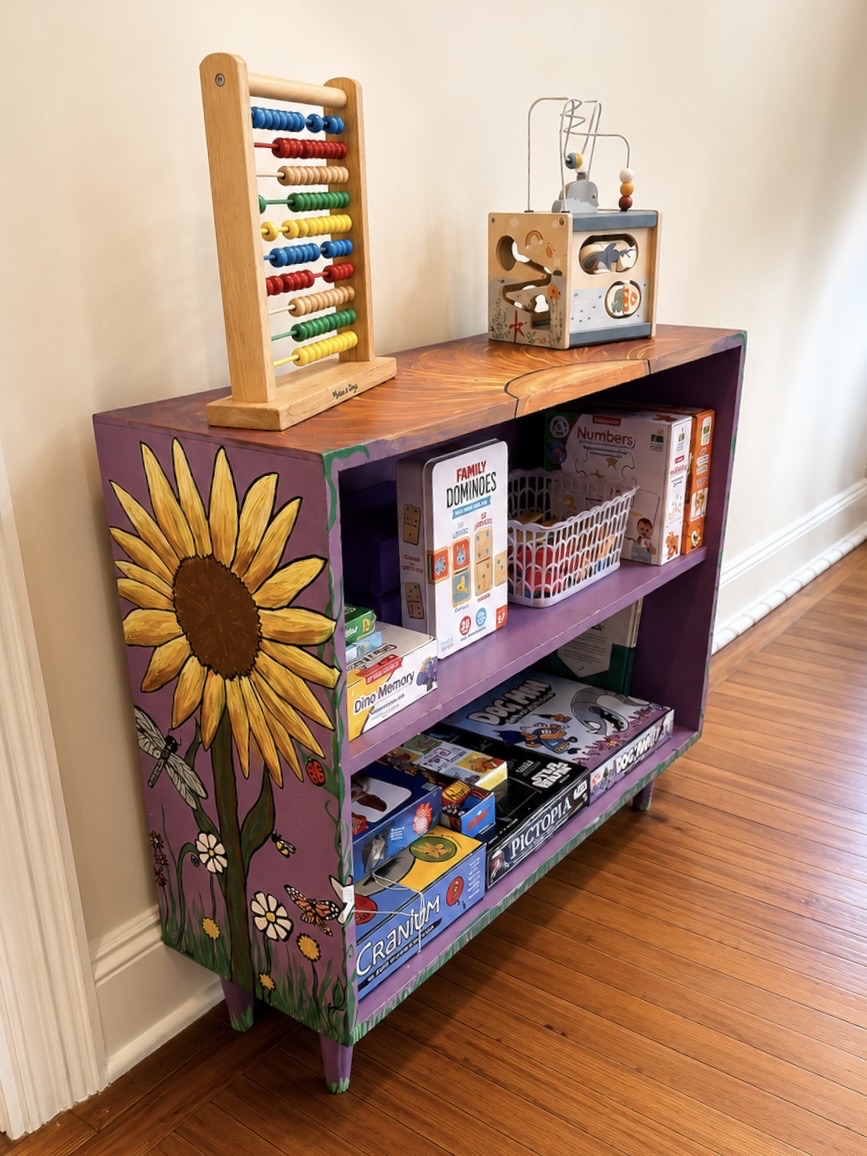
Grow Space is where all of my experiences come together. It’s a space built around the belief that children thrive when they feel understood, and that the best learning begins with understanding.
— Linda
More than anything, my hope is that every child leaves Grow Space feeling a little more confident, a little more capable, and a little more like themselves.
— Linda
I would love to hear your story.
Every child is different, so I offer a complimentary consultation before beginning services. Tell me what is feeling hard right now, and we will figure out together whether this is the right fit.
Educational framework
Why we do it this way.
A look at the educational philosophy, psychology, and research that shapes every session at Grow Space.
How we learn
Five conditions, and then learning takes care of itself.
Children learn through relationships, curiosity, meaningful play, thoughtfully designed environments, and challenges that meet them where they are.
Relationships
Nothing else works until a child feels safe with the adult in the room. So the first sessions are spent building exactly that, and not much else.
Curiosity
A question a child actually wants answered will carry them further than any worksheet. We follow their interests on purpose, not as a reward.
Meaningful play
Play is the mechanism, not the break from it. A board game can ask for flexible thinking more honestly than any conversation about flexible thinking.
A designed environment
The environment itself is a powerful teacher. Everything here sits at child height, within reach, and nothing needs to be asked for.
The right size challenge
Just past what a child can already do, and just within what they can do with a little support. That gap is where growth actually happens.
Where the ideas come from
Reggio Emilia, inquiry-based learning, play-based education, and Vygotsky’s Zone of Proximal Development.
The skills we build
Every activity is pointed at something.
Whether we’re practicing flexible thinking during a board game, emotional regulation through a story, or planning during a creative project, every experience is intentionally connected to the skills children need to thrive.
Organization
Systems a child can run themselves, for the backpack, the desk, and the morning.
Planning and starting
Breaking something big into a first step, and then actually taking it.
Flexible thinking
Recovering when the plan changes, the game ends, or the answer is no.
Big emotions
Noticing a feeling early, giving it a name, and finding a way through it.
Attention
Staying with one thing while several other things are happening.
Transitions
Leaving one thing and arriving at the next without losing the whole afternoon.
Homework frustration
Untangling the feeling from the task, so the task becomes the only thing left to do.
Confidence
Enough evidence of their own capability that they stop needing to be convinced.
Independence
The long game. Strategies a child reaches for on their own, without anyone prompting.
these skills help children understand who they are,
how they learn, and what they’re capable of
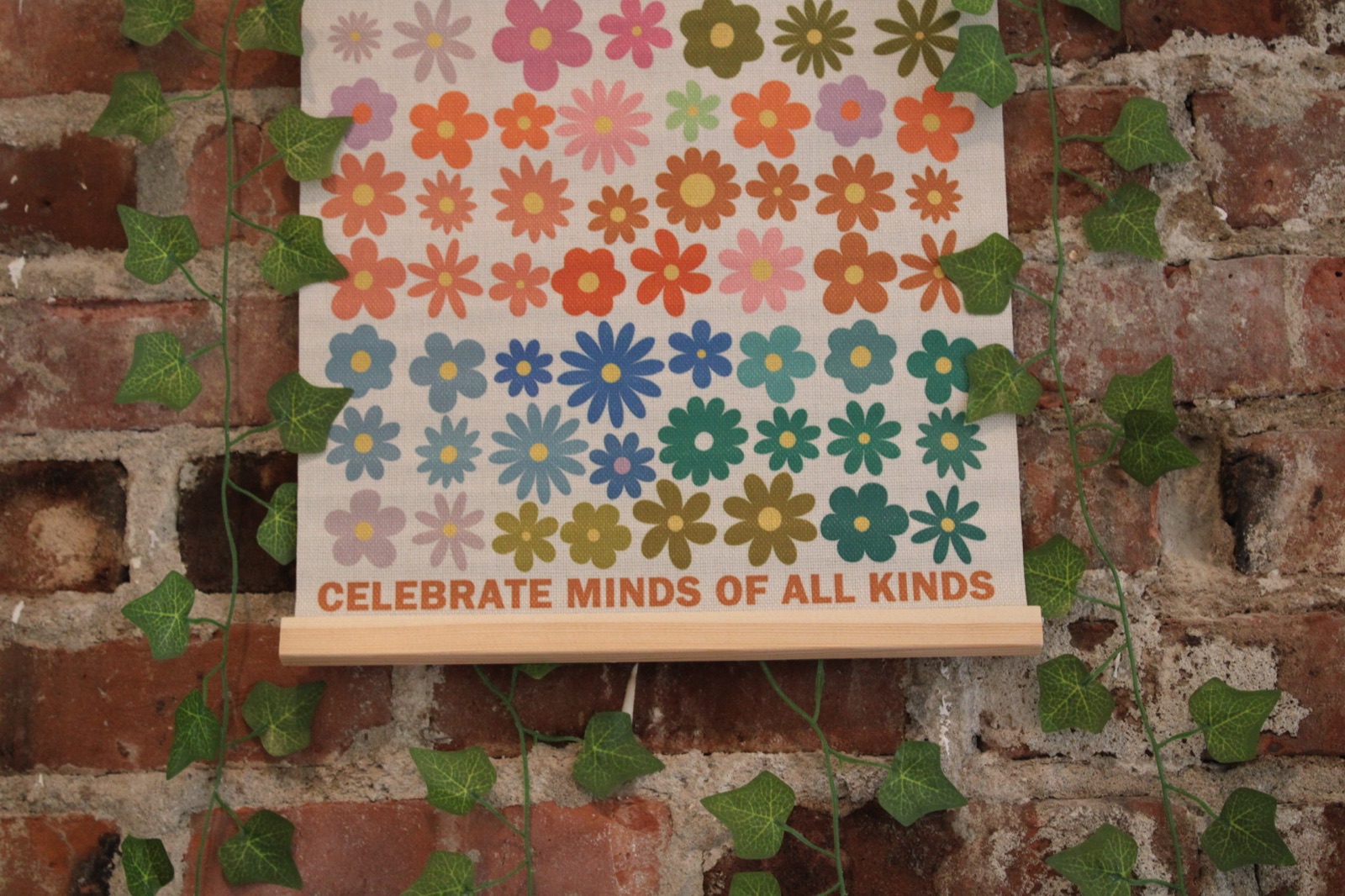
Understanding the whole child
Understanding comes before growth.
Each child has unique strengths, challenges, interests, experiences, and ways of making sense of the world.
By meeting children where they are and celebrating neurodiversity, we create the foundation for meaningful learning and lasting confidence. No child here is a set of deficits to be corrected. They are a particular person, learning in a particular way, and the work is to find out how.
Why self-understanding matters
Children become active participants in their own growth.
It is so empowering for children to learn why certain strategies work, what their emotions are communicating, and how their brains respond to different situations. The goal is to help our students understand themselves well enough to use their coping skills and strategies independently.
Inside a session
What an hour actually looks like.
No two agendas are the same, but the ingredients are consistent. Evidence-based practice, delivered through the things children already love.
Games
Chosen because they ask for the exact ability we are building. Waiting, switching, remembering, planning a move ahead.
Movement
Bodies before brains. Getting a child moving is often the fastest route to getting a child regulated.
Books
A story lets a child practise a big feeling at a safe distance, on somebody else’s behalf first.
Music
Rhythm carries a routine better than a reminder does, and it is a great deal more fun to follow.
Creative play
Art, building and storytelling let children show what they know before they have the words for it.
And a note home
After each session you’ll receive a brief summary of the skills we practised, what we did, and ideas for supporting your child at home.
Curious whether this fits your child?
Start with a complimentary consultation. No assessment, no commitment, just a conversation about what is feeling hard right now.
Our space
The environment is a teacher.
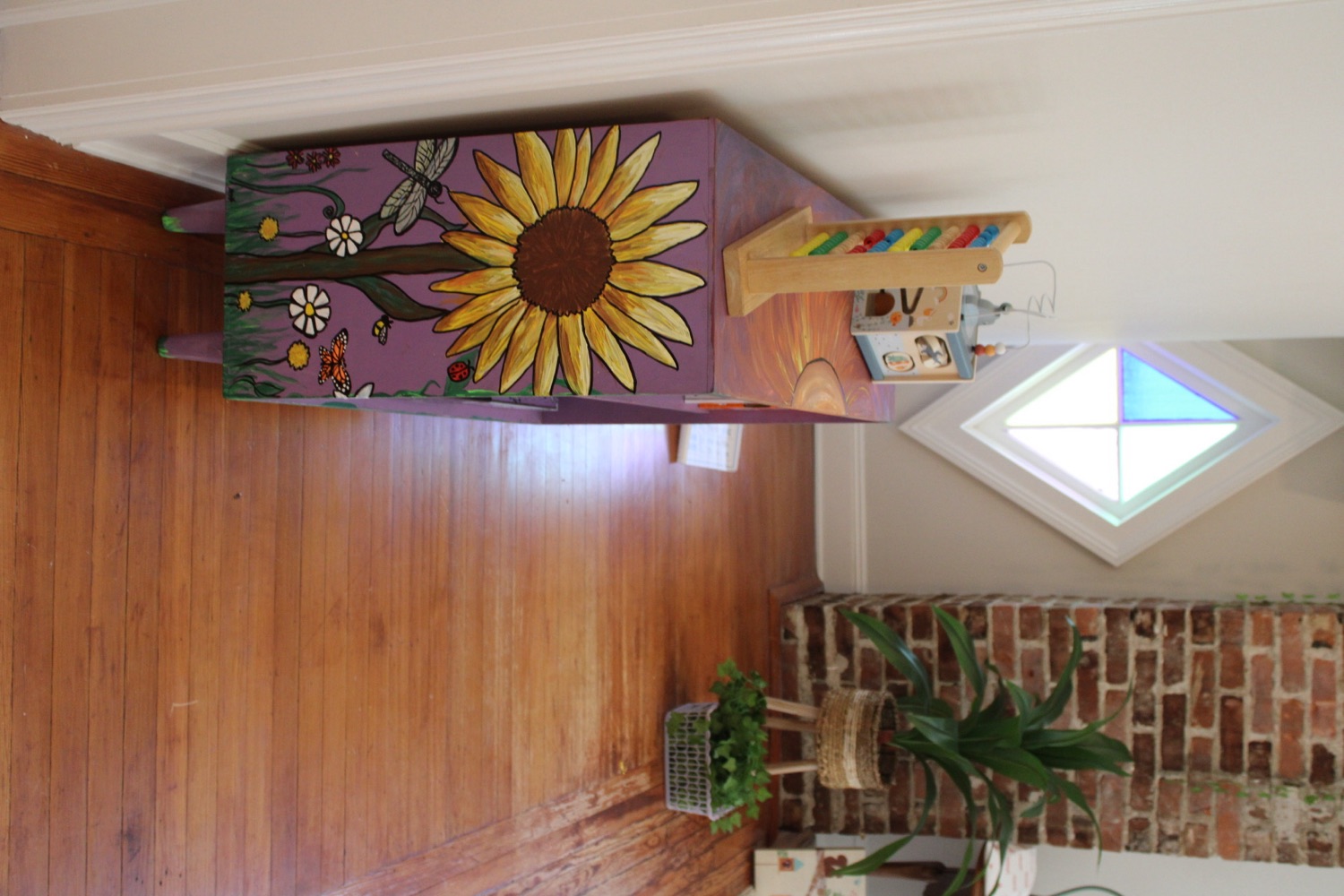
A physical space intentionally designed for children, and their parents, where the surroundings themselves foster curiosity, creativity, emotional safety, and growth.
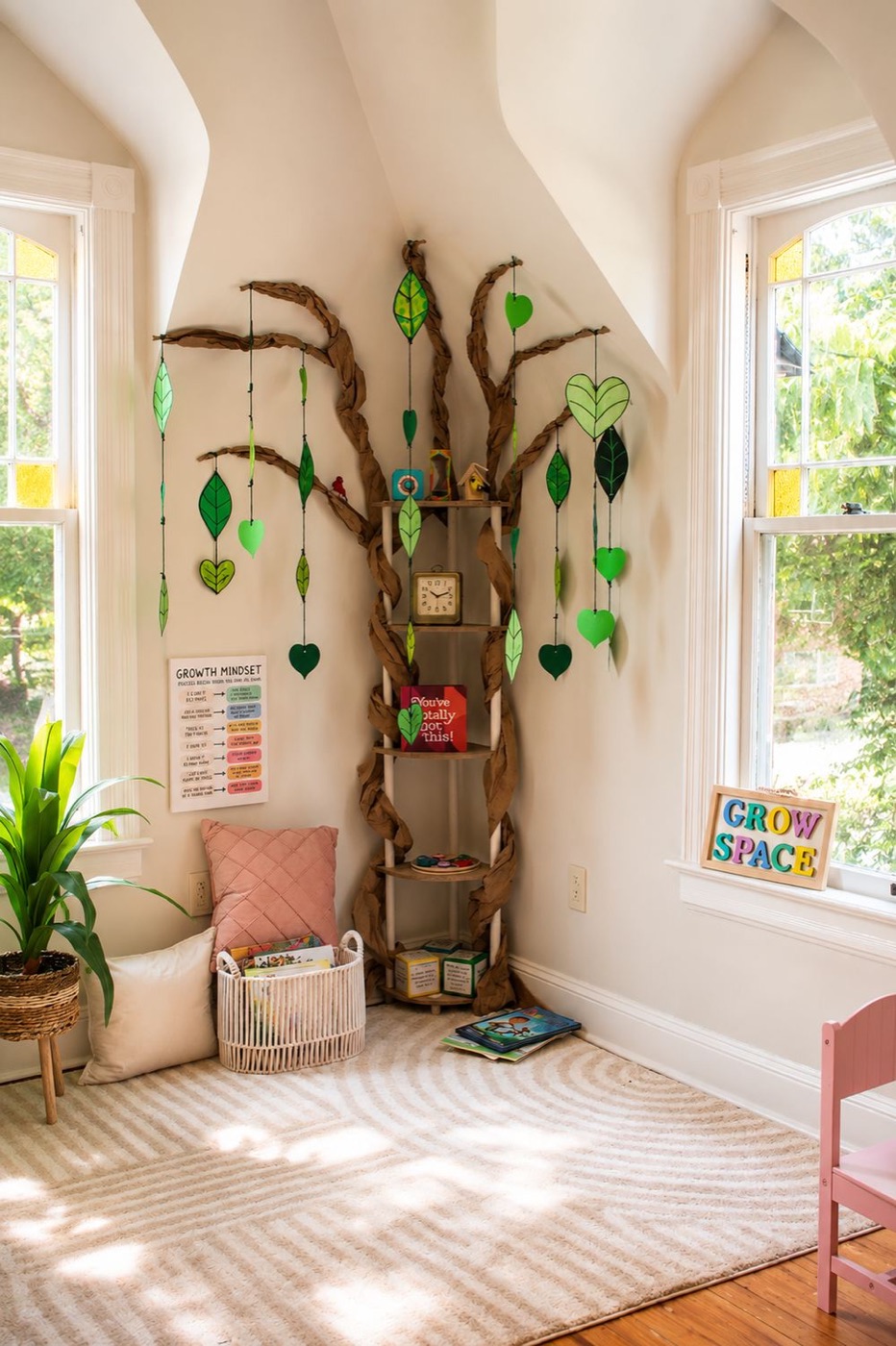
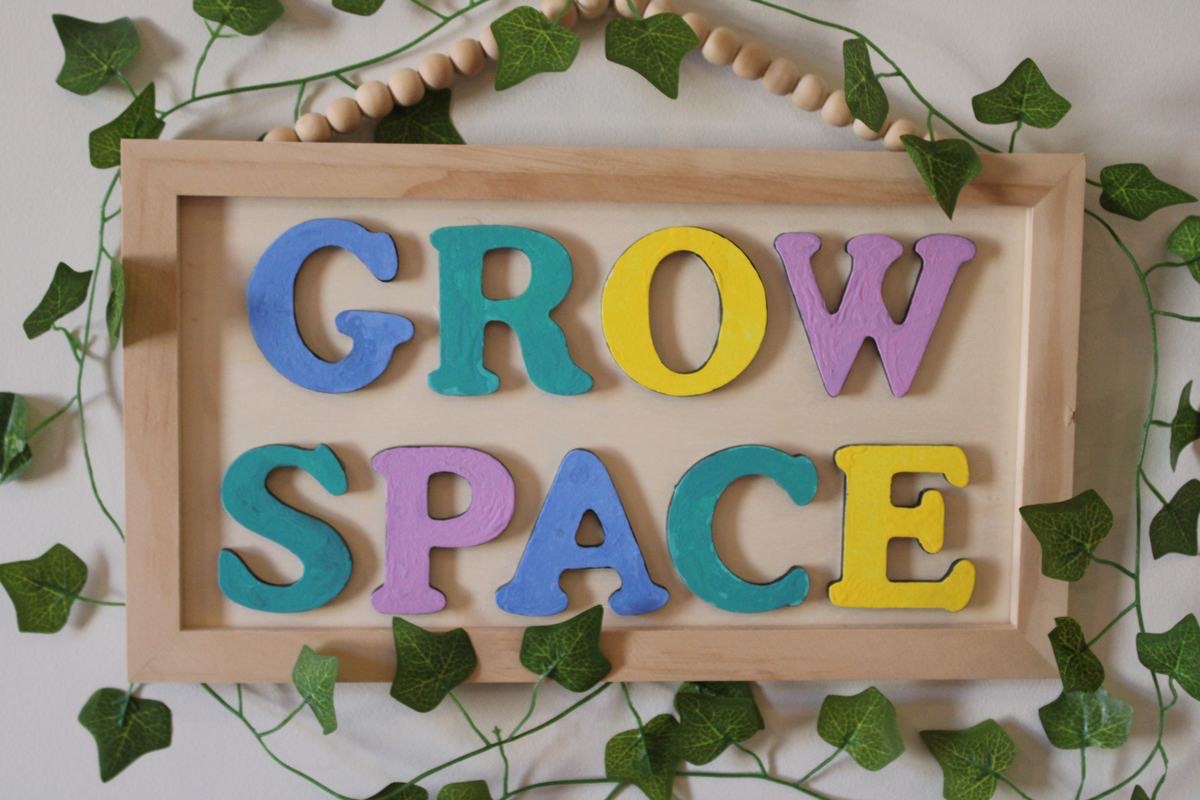
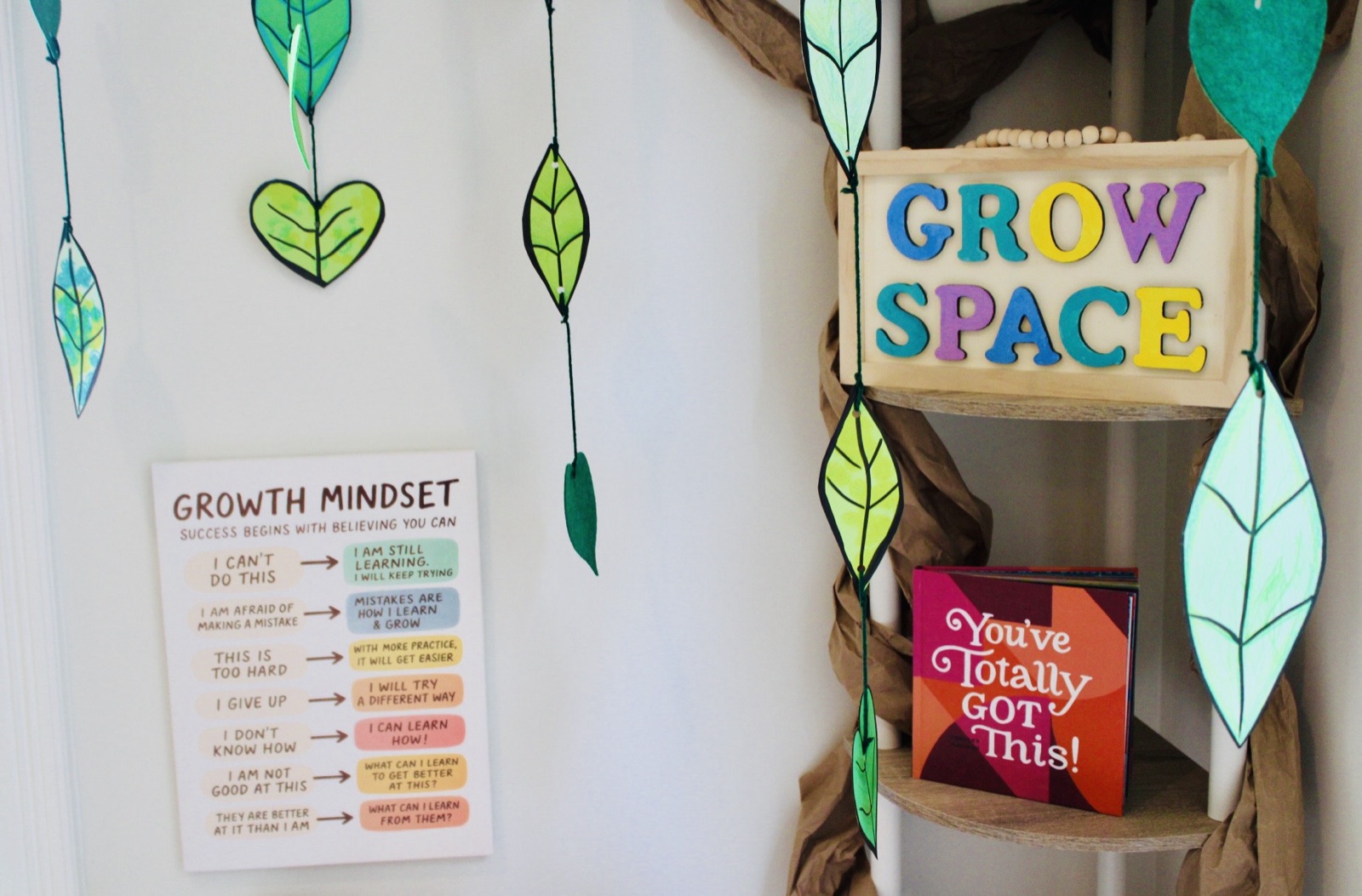
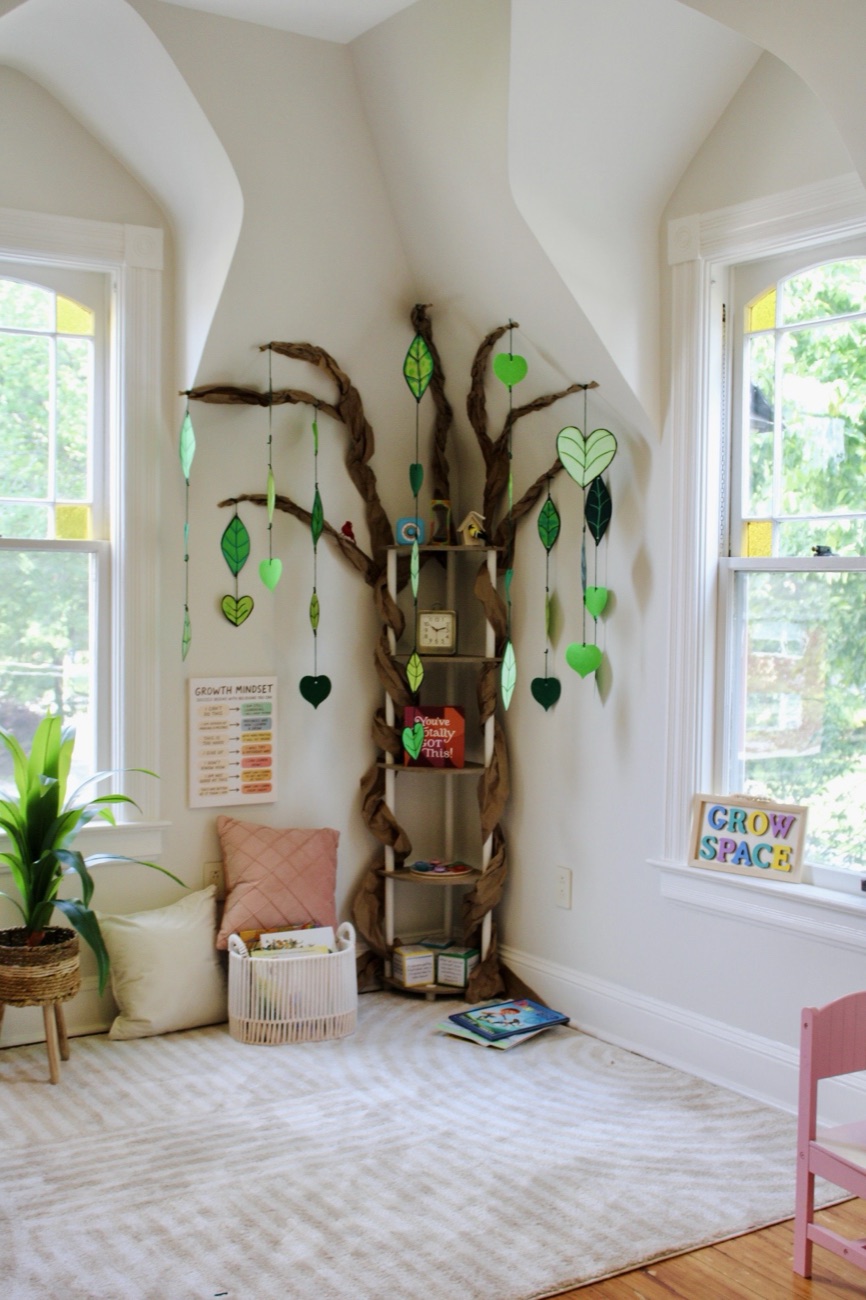
The tree
Every leaf was cut, painted and hung by hand.
The braided trunk climbs the corner and the leaves hang where children can reach them. It is the first thing most children go to.
I like that it makes growing look the way it really is. Slow, visible, and made one small piece at a time.
there are hearts in there too,
if you look
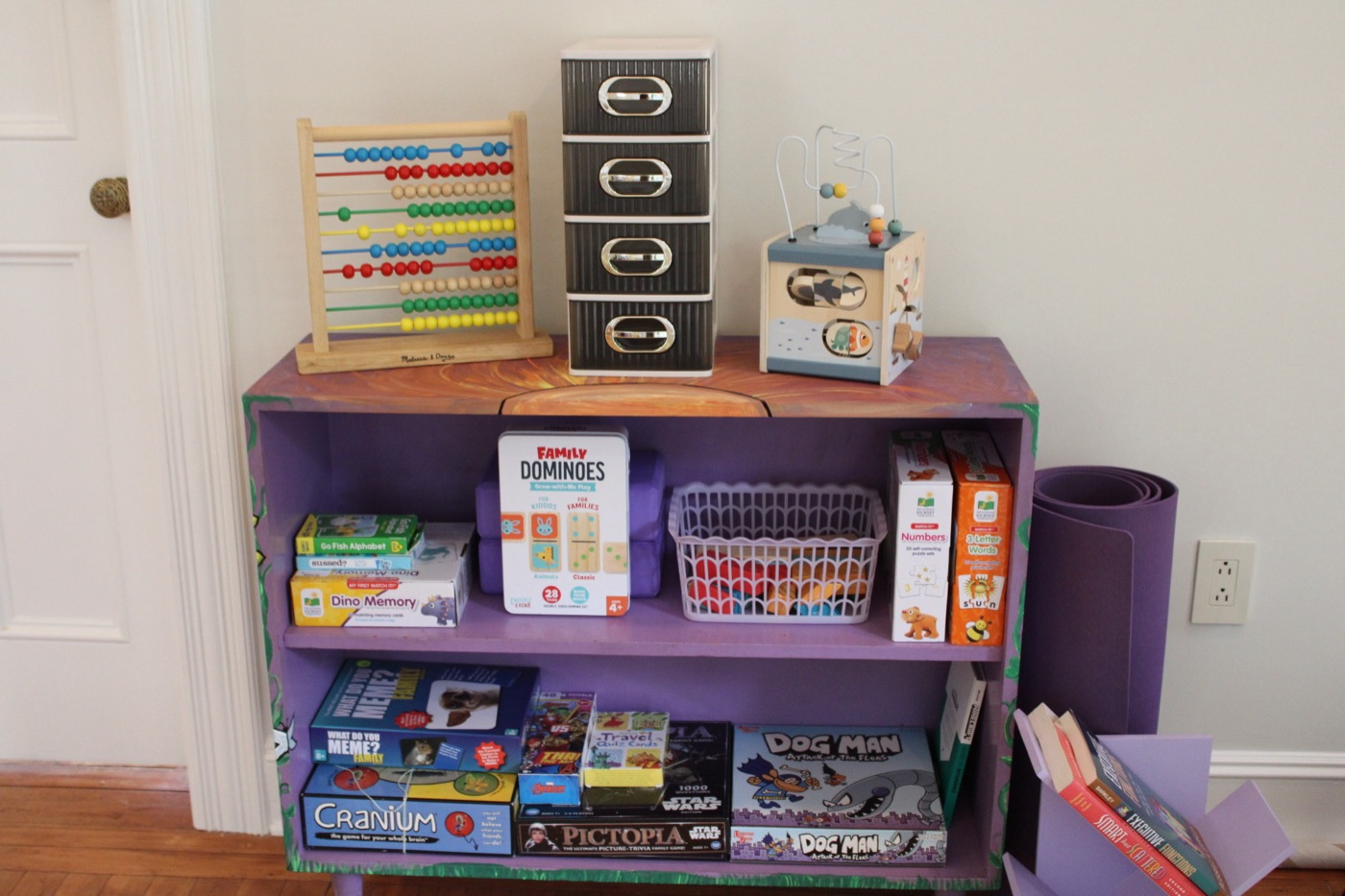
Around the room
Everything at child height, and nothing to ask for.
Art materials, games, visual supports, books, and somewhere soft to go when a feeling gets big. All of it within reach, all of it fully allowed to be used.
Come and see it
Consultations happen right here.
Your child gets to meet the room before they ever meet a session. Most of them find the tree within about ten seconds.
Good to know
Frequently asked questions.
The things parents usually want to know before they get in touch. If yours isn’t here, please just ask.
QWhat ages do you work with?
We specialize in supporting preschool and elementary-aged children, Pre-K through 4th grade.
If your child falls just outside of this age range, please don’t hesitate to reach out. Depending on your child’s needs and goals, I’d be happy to discuss whether Grow Space may be a good fit, or help connect you with another trusted professional.
QHow do I know if Grow Space is a good fit for my child?
We support children experiencing homework frustration, school challenges, organization, big emotions, attention, transitions, flexible thinking, confidence, and independence.
While sessions may include homework or academic support when appropriate, the primary goal is to help children develop the executive functioning, emotional regulation, and learning skills that support long-term independence and success.
QIs this therapy?
No. Grow Space provides executive functioning coaching, skill-building, and educational support. While my graduate training is in school psychology, sessions are not psychotherapy or mental health treatment.
If you find that your child is facing significant challenges or struggling with their emotions, we strongly encourage seeking professional psychological support. Grow Space is not a substitute for therapeutic care.
QCan I stay for sessions? Do I have to stay?
Parents are welcome to remain in the building or in the area during sessions. Because one-on-one coaching encourages independence, most parents choose to use this time to work, sit at a coffee shop, or run errands nearby.
QWill I know what happens in the session if I leave?
Yes! After each session, you’ll receive a brief summary highlighting the skills we practiced, activities we completed, and ideas for supporting your child’s growth at home when appropriate.
Get in touch
I would love to hear your story.
Every child is different, so I offer a complimentary consultation before beginning services. It is a chance to get to know one another, discuss your concerns, and determine whether Grow Space is the right fit for your family.
Book a consultation call
Pick a time that works for you and we’ll talk for thirty minutes. No assessment, no commitment.
Find a time- WhereWestchester County, New York
- AgesPreschool and elementary, Pre-K through 4th grade
- FormatOne to one coaching, in person at the Grow Space room
- First stepA complimentary consultation, always
tell me what’s feeling hard right now —
that’s always the best place to start